
 search
 EN
EN  русский
 عربى
عربى 简体中文
简体中文News
Home / News / Industry News / What are the recommended maintenance intervals and procedures for the multistage pump?
Maintenance intervals and procedures for multistage pumps can vary depending on the specific make and model, as well as the manufacturer's recommendations. However, here are some general guidelines:
Daily Inspection: Check for any leaks, unusual noises, or vibrations during operation. Ensure that the pump is running smoothly without any apparent issues.
Weekly Inspection: Monitor pump performance metrics such as flow rate, pressure, and temperature. Inspect seals, bearings, and couplings for any signs of wear or damage. Lubricate bearings as necessary.
Monthly Maintenance: Check alignment of pump and motor shafts. Inspect impellers, diffusers, and other internal components for wear or damage. Clean pump internals if necessary. Inspect motor and electrical connections for any issues.
Quarterly Maintenance: Perform more detailed inspections of pump internals, including checking clearances, tightening fasteners, and replacing worn parts as needed. Verify alignment of pump and motor shafts.
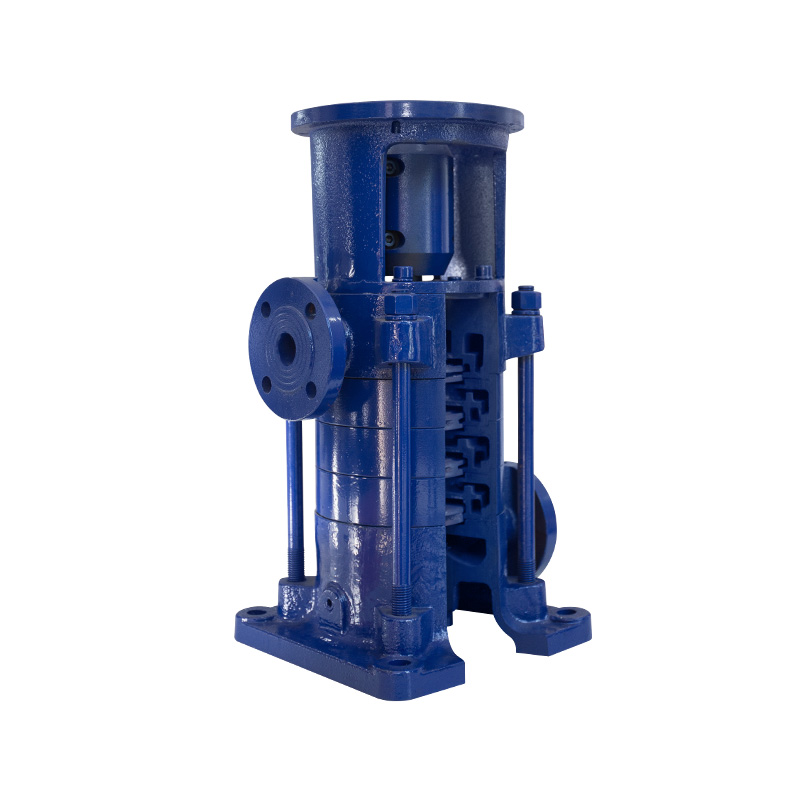
Annual Maintenance: Disassemble pump for thorough inspection and cleaning. Replace seals, bearings, and other components as recommended by the manufacturer. Check alignment and balance of impellers and shafts. Inspect motor windings and electrical connections.
Overhaul: Depending on the pump's usage and operating conditions, a major overhaul may be required every few years. This involves disassembling the pump, inspecting all components, replacing worn parts, and reassembling the pump with new seals and bearings.
It's important to follow the manufacturer's specific recommendations for maintenance intervals and procedures outlined in the pump's operation and maintenance manual. Additionally, keeping detailed records of maintenance activities and any issues encountered can help identify trends and optimize the pump's performance and longevity.
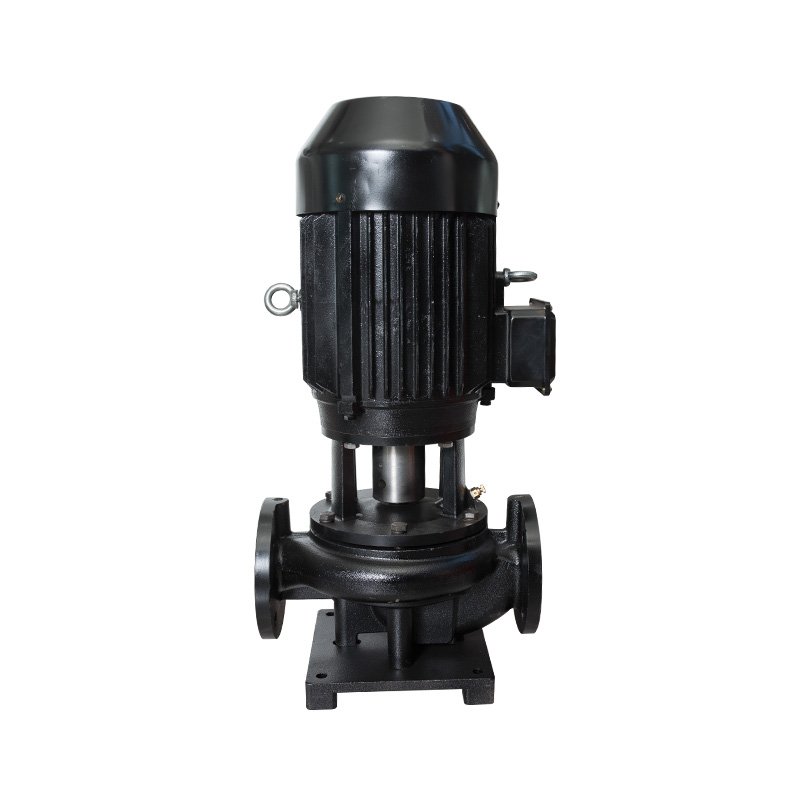
The TD type single-stage pipeline circulation pump is a green, environ...
See Details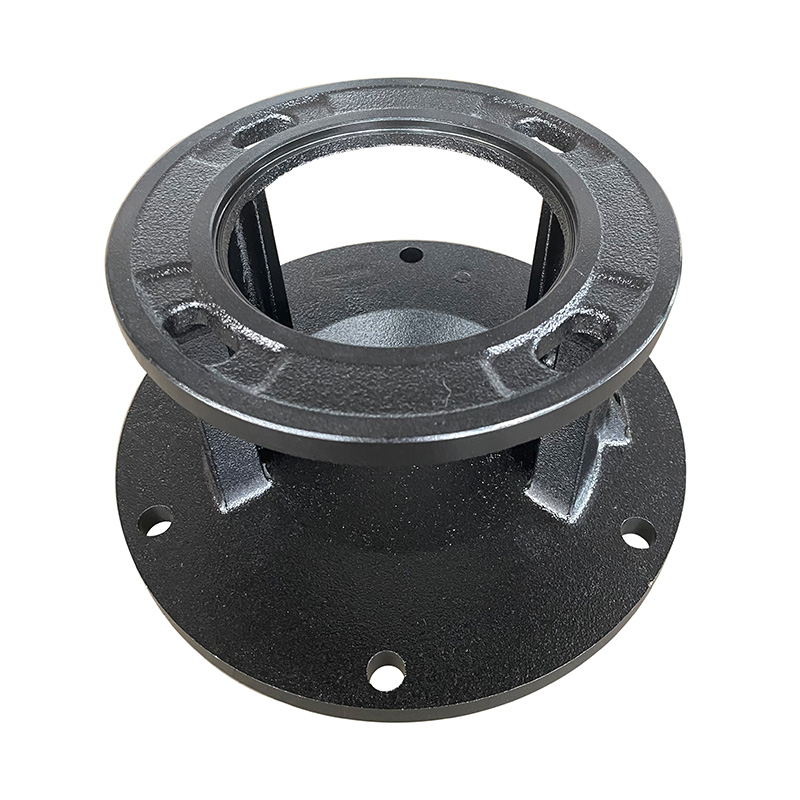
A vertical base is a pedestal used to support and secure a vertical TD...
See Details
ISG series single-stage single-suction vertical centrifugal pump is a ...
See Details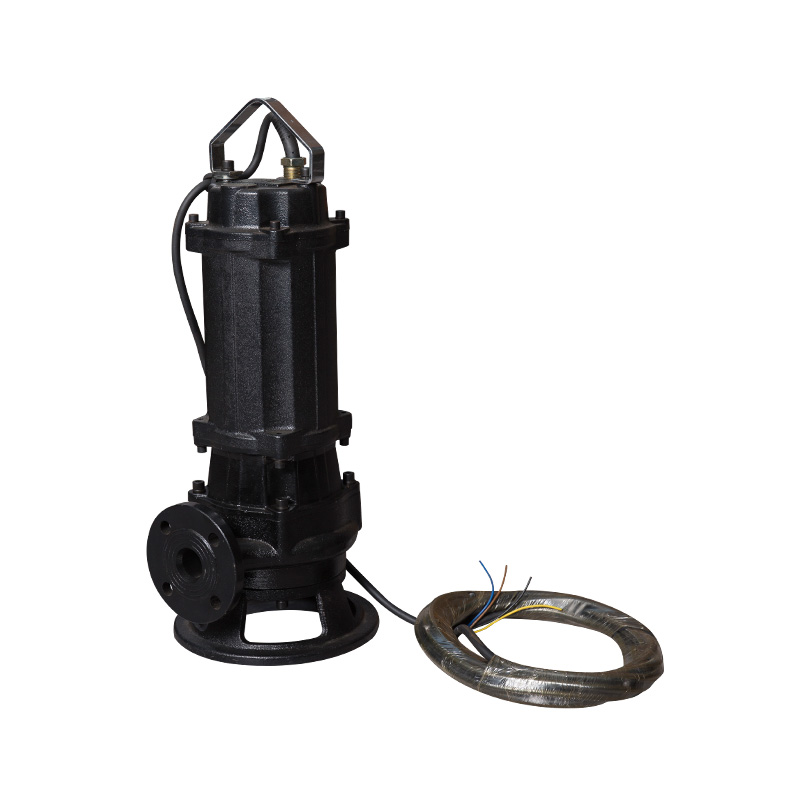
1. Our WQ-type general sewage pump adopts a large flow channel anti-cl...
See Details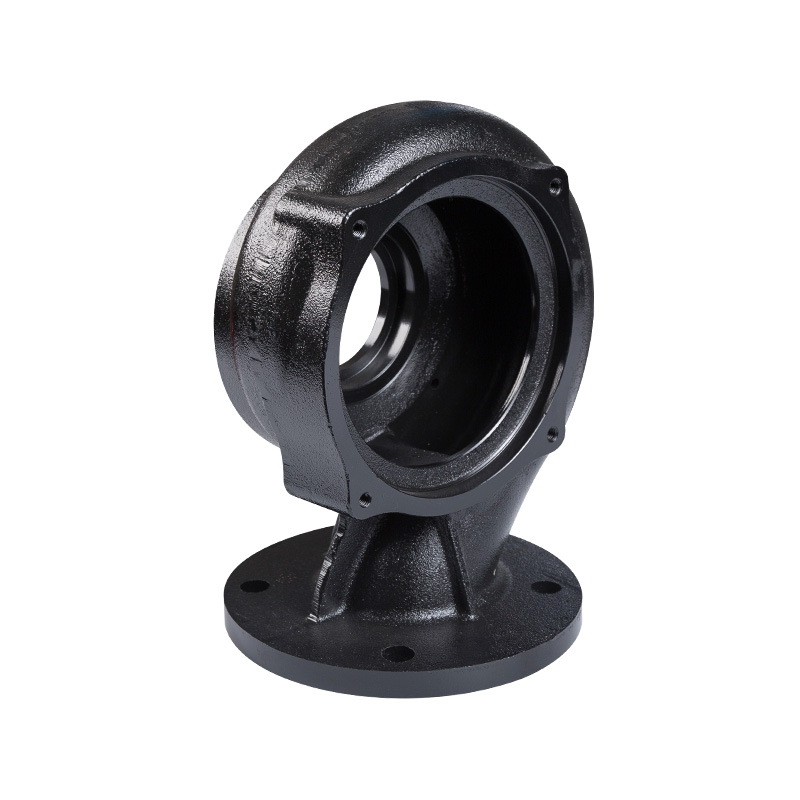
The pump body is the outer shell of the sewage pump, with the function...
See Details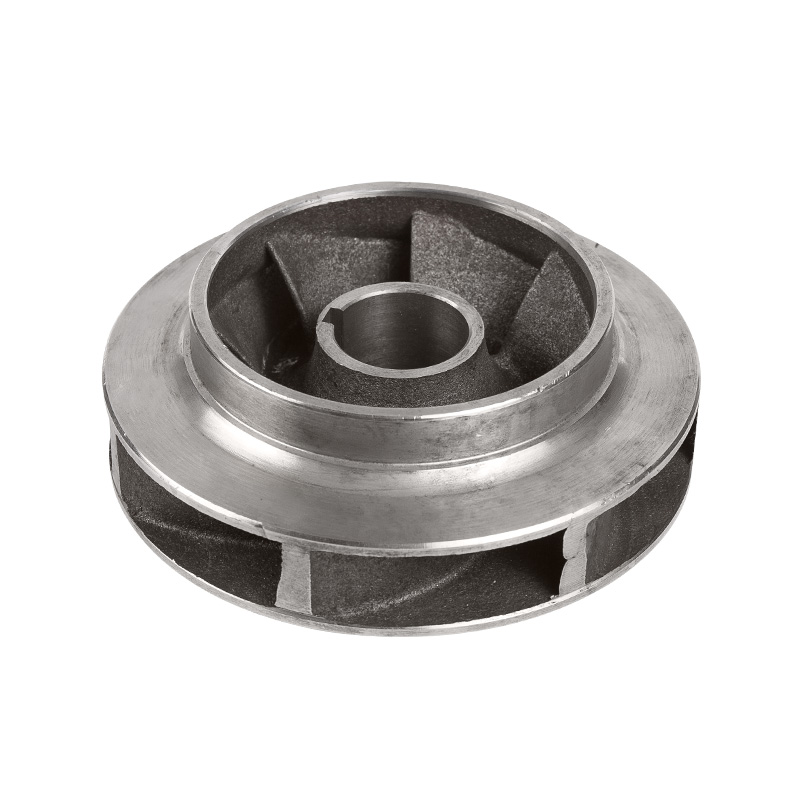
Stainless steel impellers are impellers made of stainless steel materi...
See Details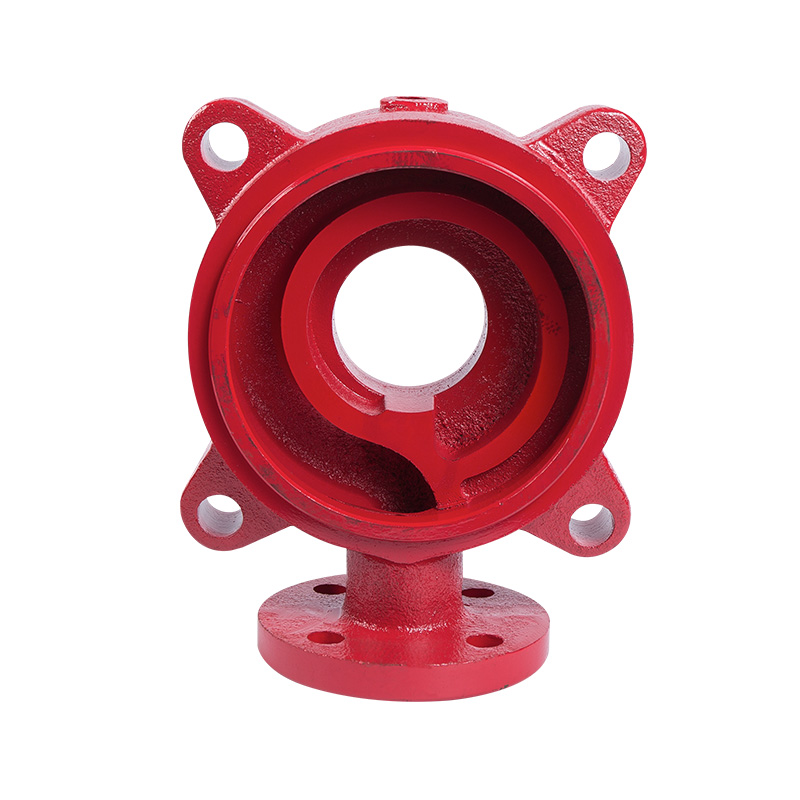
The outlet section is the outlet part of the pump, which is responsibl...
See Details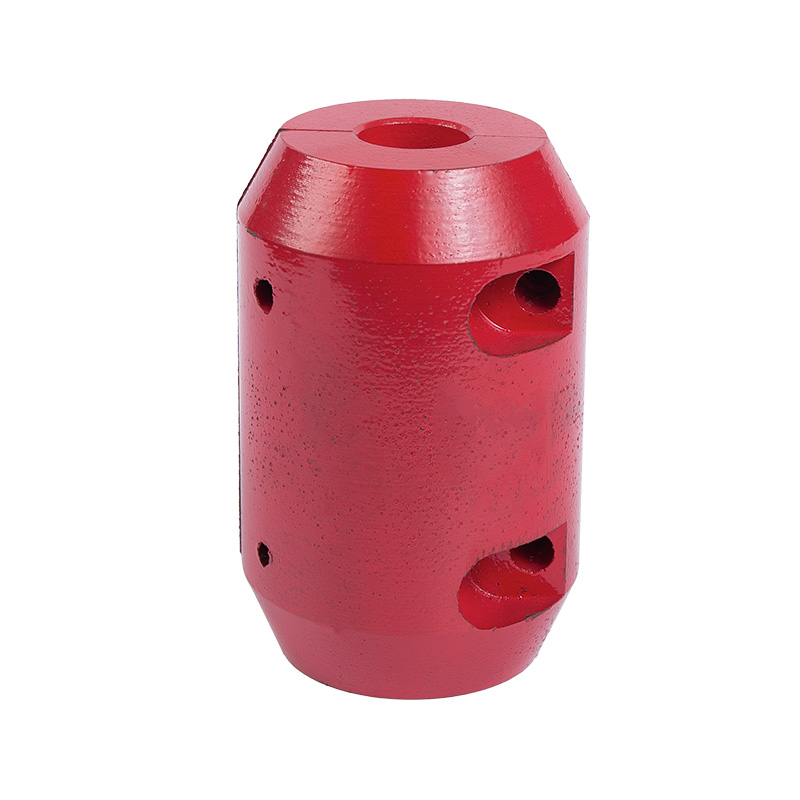
Couplings are used to connect the pump shaft to the motor shaft for en...
See Details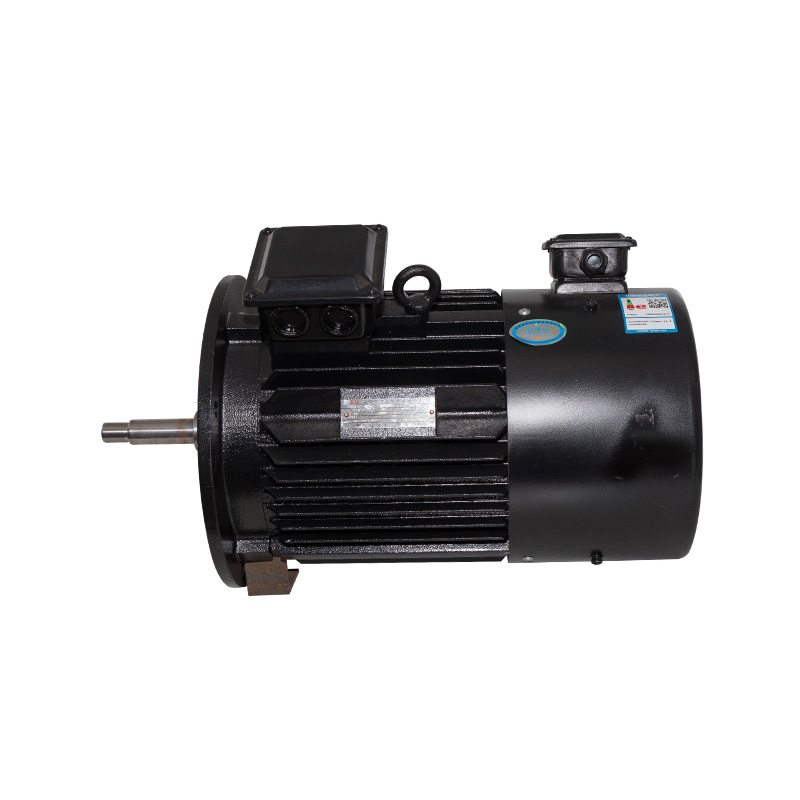
A type of adjustable speed motor that can control the speed of the mot...
See Details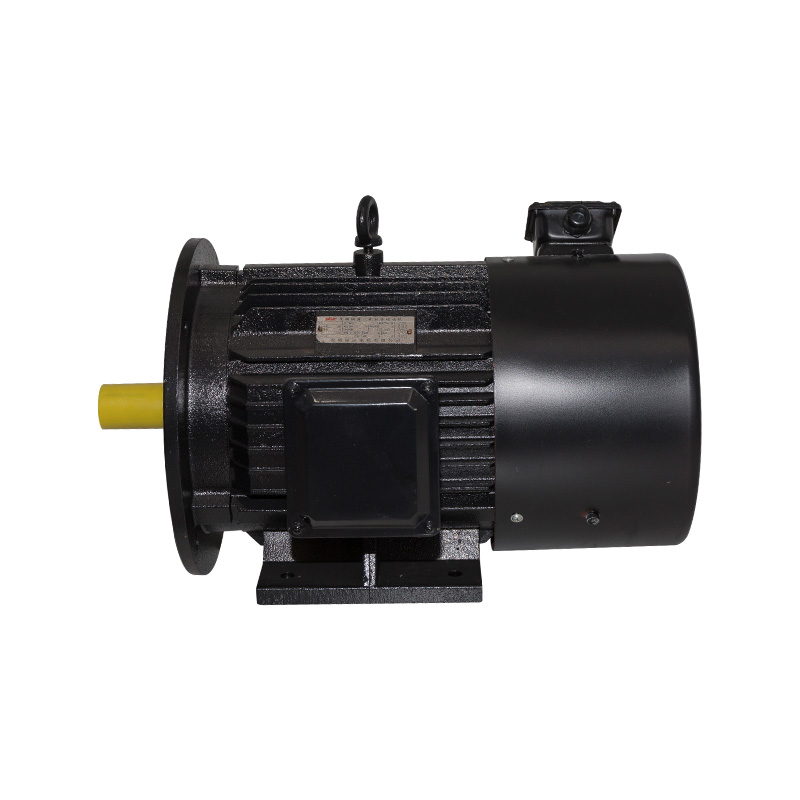
Also known as base mounting, the motor is connected to the mounting da...
See Details
+86-0563-2251312

+86-0563-2251311

+86-139 6620 0379


No.43 Guohua Road, Guangde Economic Development Zone, Xuancheng City, Anhui Province, China
